
Loading and unloading best practices: when to DIY or hire movers
Key Takeaways
- DIY loading is cost-effective for small, simple moves but can increase injury risk for larger jobs.
- Professional movers provide expertise, equipment, and liability coverage, making them ideal for complex relocations.
- Safety fundamentals include proper lifting techniques, load security, and the use of mechanical aids.
- Regulatory compliance is crucial; check local laws and building rules before moving.
- Always prepare a checklist for both origin and destination to avoid delays and damage.
At a glance: how DIY loading compares with hiring professionals
Choosing between DIY loading and hiring professional movers depends on job size, physical risk, building access and whether the move involves dock or warehouse transfers. DIY is often economical for a small ground-floor move with few heavy items, but trained crews and equipment reduce injury and damage risk for larger or complex jobs. For evidence-based ergonomic tips and common hazards, see the Government of Canada guidance on loading and unloading.
Safety fundamentals every mover must follow
Whether you handle the work yourself or hire professionals, apply the same fundamentals to reduce musculoskeletal injury and transport damage: plan every lift, inspect surfaces and equipment, use mechanical aids, and secure loads before moving. Federal regulations set structural and safety standards for docks and ramps: review the Canada Occupational Health and Safety Regulations if your move uses a dock or ramp.
Key techniques: posture, team lifts, mechanical aids and load security
- Lift with your legs and keep the load close. Bend at the knees, not the back, keep the object near your centre of gravity, and step rather than twist while carrying.
- Plan team lifts. Communicate roles and use a count to lift simultaneously; this prevents sudden shifts and unequal load distribution.
- Use mechanical aids. Dollies, hand trucks, ramps, liftgates and sliders reduce manual handling. For flatbed or open-bed work, follow the flatbed loading guidance in the Government of Canada resource on loading and unloading flatbed trucks.
- Secure loads for transport. Use ratchet straps, corner protectors and blocking to stop movement during travel; loose items can shift and cause injury on unloading.
- Wear appropriate PPE. Work gloves with grip, closed-toe footwear and visible vests for street-side loading help prevent slips and collisions.
Regulatory and building rules to check before you load or unload
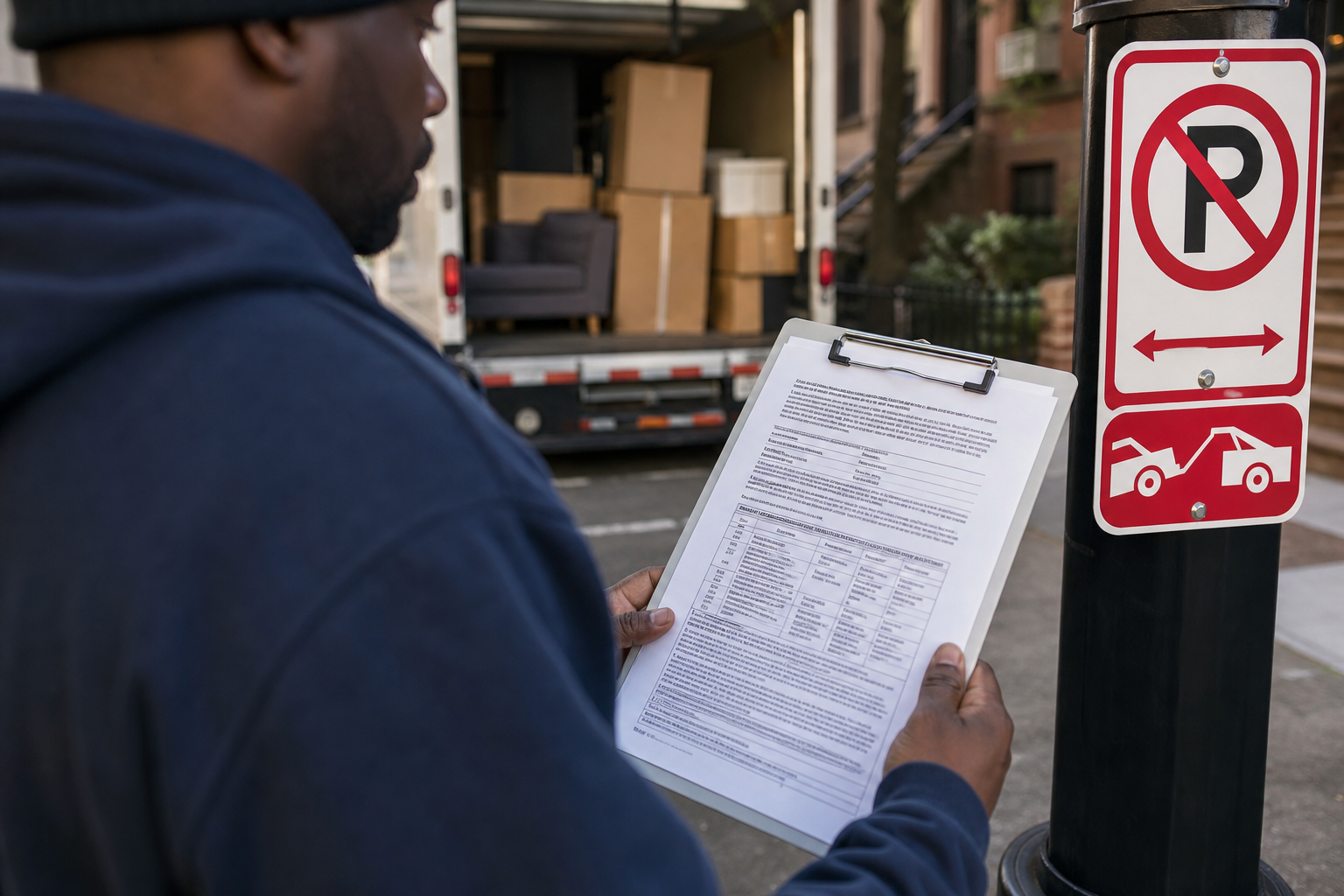
Rules vary by site. Federal law specifies dock and ramp strength and edge protection; provincial or building rules may mandate loading-bay bookings, insurance certificates or supervised access. The Ontario MTO handbook describes safe stopping and traffic checks that are useful when large vehicles are involved. If your move touches multiple sites, review biosecurity or site controls recommended by Inspection Canada to avoid contamination or denied access.
Equipment and supplies checklist for safe loading and unloading
Professionals usually supply most of these items, but confirm before booking. If DIY, rent or borrow them.
- Dock plate or rated ramp suitable for your load
- Dollies and furniture hand trucks with strong straps
- Liftgate service or truck with a liftgate for ground-level loading
- Moving straps, ratchet tie-downs and corner protectors
- Blankets and mattress covers for furniture protection; pros commonly provide blanket wrapping
- Furniture sliders, appliance dollies and appliance straps for refrigerators and washers
- PPE: work gloves, non-slip footwear and safety vests for street curb operations
- Tools for disassembly and labelled bags for fasteners
For flatbed or yard operations, keep a safe distance while loads are being moved and confirm who will operate powered equipment on site, as recommended in Government of Canada materials.
When DIY loading and unloading makes sense
DIY can be practical and cost effective when these conditions are met and you plan carefully:
- Move size: mostly boxes and small furniture that fit a van or small truck.
- Access: ground-floor pickup and delivery with no tight turns, stairs or elevator bookings.
- Helpers: at least two physically able people for team lifts and equipment handling.
- Equipment: you have or can rent a ramp, dolly, straps and moving blankets.
- Time: you can allow extra time; DIY often takes longer and may require multiple trips.
If any element is missing, risks and delays increase. Both Canada.ca and OSHA highlight the need for planning and basic training for people performing manual loading and unloading tasks.
When hiring professional movers is the safer, smarter option

Hire trained movers when the job includes heavy or awkward items, multiple loading sites, condo loading bays, tight stairways, truck liftgates or strict pickup/delivery windows. Professional crews bring experience, the right equipment and established procedures for load security, and they typically carry liability coverage. Sudan Movers advertises trained in-house crews, blanket wrapping and mattress protection as part of their service offerings; confirm those services in writing when you request a quote.
For complex flatbed, multi-dock or third-party site transfers, Government of Canada guidance and industry practice recommend close coordination between driver, shipper and receiver. Professionals are more likely to have the contacts, procedures and paperwork to handle these arrangements efficiently.
Specialized scenarios: dock-to-dock, warehouse delivery and heavy item moving
- Dock-to-dock transfers: require rated dock plates, site coordination and a plan for powered equipment; professionals usually manage these logistics.
- Warehouse deliveries: often need appointment windows, proof of insurance and designated receiving staff; confirm procedures and any gate restrictions before arrival.
- Heavy or specialty items: pianos, safes and large appliances need appliance dollies, straps or hoisting; pros have the gear and training to protect items and staff.
Moving-day checklist: origin and destination tasks to avoid delays and damage
What to prepare at origin
- Book elevator and loading bay time slots in writing with building management.
- Clear hallways and create a protected path for movers.
- Label boxes clearly to indicate contents and destination room.
- Disconnect and prepare appliances for transport.
- Ensure all valuables and important documents are secured and easily accessible.
What to prepare at destination
- Confirm access to the new location and any parking restrictions.
- Ensure utilities are set up and ready for use.
- Have a designated area for movers to place boxes and furniture.
- Inspect items as they arrive to check for damage.
- Provide refreshments for helpers and movers to keep energy levels up.