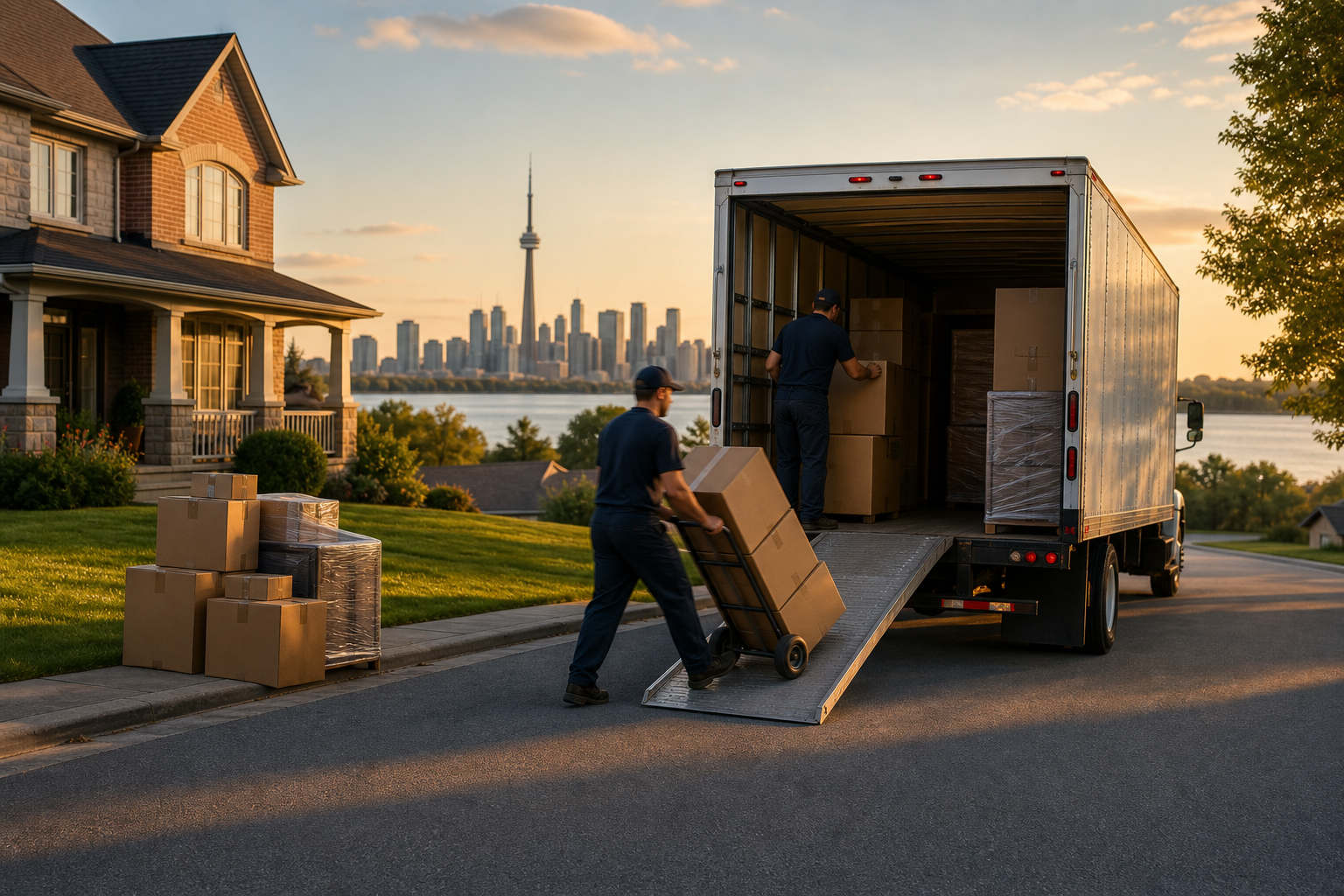
How to Plan a Long-Distance Move in Ontario
Key Takeaways
- Start planning your long-distance move several months in advance to ensure a smooth process.
- Always ask movers about their insurance coverage and get written confirmation of what is included.
- Compare moving quotes using a consistent checklist to ensure you understand the services and costs involved.
- Be aware of Ontario’s regulations regarding oversize and overweight loads to avoid unexpected delays.
- Utilize industry resources and guides to help with packing and logistics for your move.
Quick timeline and checklist for long-distance moves in Ontario
Start planning well before moving day. Long-distance moves inside Ontario benefit from an ordered schedule so you can get accurate quotes, confirm whether permits are needed, and book protective packing and heavy-item handling. Below is a practical, adaptable checklist organized by how far ahead tasks usually fall:
- Several months before moving day: Take a full inventory of your household or office. Request written, itemized estimates from several movers and ask whether each company provides packing, blanket wrapping, mattress protection, appliance securing, heavy-item handling, and dock-to-dock or warehouse delivery options. Use the responses to identify services you must book early.
- A few weeks before moving day: Confirm truck size and availability, get written summaries of insurance and valuation options, and ask whether any of your items may trigger oversize or overweight requirements. Begin nonessential packing and label boxes by room and content to streamline loading and inventorying.
- The week before: Finish nonessential packing, prepare a clearly marked essentials box you will keep with you, confirm the pickup and delivery windows, and recheck the inventory list that will accompany the shipment.
- Moving day: Walk through the property with the crew to verify the inventory, check wrapped high-value items, keep contact numbers handy, and compare the services delivered to the written quote before releasing any final payment.
Adapt these steps to the complexity of your move. Moves that need warehouse handling, dock-to-dock transfers, or special route planning for oversized loads will require earlier planning and tighter coordination with the mover. Practical road-trip packing tips and pre-move planning guides from industry sources can help with packing and transit logistics.
Sources for planning checklists and pre-move preparation include moving guides and pre-move booklets from recognized industry and government sources.
What insurance and liability questions to ask every mover in Ontario
Insurance and liability are among the most important topics for long-distance moves. Ontario’s official consumer guidance specifically recommends asking movers about their insurance coverage and whether that coverage applies to items you packed yourself—get answers in writing before moving day (Ontario: Hiring a mover).
Ask these specific questions and request written confirmation:
- What types of loss or damage are covered and what deductible applies?
- Does your coverage apply to items I packed myself, or only to goods packed by your crew? (This is a key Ontario consumer question.)
- Are there optional valuation or replacement coverage upgrades available for high-value items?
Also follow federal consumer advice to choose a reputable moving company: look for clear written contracts, truthful advertising, and evidence of reliable customer service before you hire anyone (ISED / Office of Consumer Affairs: Moving advice).
Ontario rules that can affect long-distance moves: conditions of carriage and oversize/overweight considerations

Two regulatory topics that commonly affect long-distance moves in Ontario are the province’s Conditions of Carriage for household goods and the rules for oversize or overweight vehicles and loads.
R.R.O. 1990, Reg. 1088 sets out the Conditions of Carriage for household goods carriers; customers should review the regulation and ask prospective movers how their contract terms align with those conditions (R.R.O. 1990, Reg. 1088).
If the loaded vehicle dimensions or weight exceed standard limits, movers must follow Ontario’s oversize/overweight rules and may need permits and route planning that add time or cost. Confirm truck dimensions and loaded weight estimates so you and the mover know whether permits will be required and who will obtain them (Guide to oversize/overweight vehicles and loads; see also O. Reg. 413/05 for weights and dimensions guidance).
When comparing movers for an inter-urban Ontario trip, ask for the truck length, height and gross vehicle weight estimates and whether the mover will secure any required permits or adjust routes to avoid restricted roads. For example-based planning resources that show how services and routing are coordinated in practice, see an Ottawa long-distance moving resource used for regional planning.
How to compare long-distance moving quotes and screen movers
Not all estimates are directly comparable. Use a consistent checklist so each mover answers the same service and pricing questions. Important items to compare include:
- Included services: full or partial packing, blanket wrapping and mattress protection, appliance disconnect/reconnect, heavy-item handling, and whether delivery is door-to-door, dock-to-dock, or to a warehouse.
- Insurance and valuation: written coverage limits, whether self-packed items are covered, and available upgrade options.
- Pickup and delivery windows: exact dates or windows and the mover’s policy for delays on long hauls.
- Fees and permits: fuel surcharges, tolls, parking or loading permits, and potential extra charges for stairs, elevators, or oversized items.
- Deposit and payment terms: required booking deposit, accepted payment methods (for example, common deposit practices), and when final payment is due.
- Written contract and inventory: a signed contract, a detailed inventory and a clear claims process.
Industry checklists of questions to ask long-distance movers can help ensure consistency when you compare offers; ask every company the same set of questions and require written answers before you commit (This Old House: Questions to ask long-distance movers; see general long-distance planning steps for organizing your requests at scale BobVila long-distance moving steps).
Day-of-move checks and the protective packing strategy
On the day of your move, ensure that you have a checklist to verify that all tasks are completed. This includes confirming that all items are packed securely, that the moving crew is aware of any fragile items, and that you have all necessary paperwork in hand. A well-organized approach will help minimize stress and ensure that your belongings are handled with care.